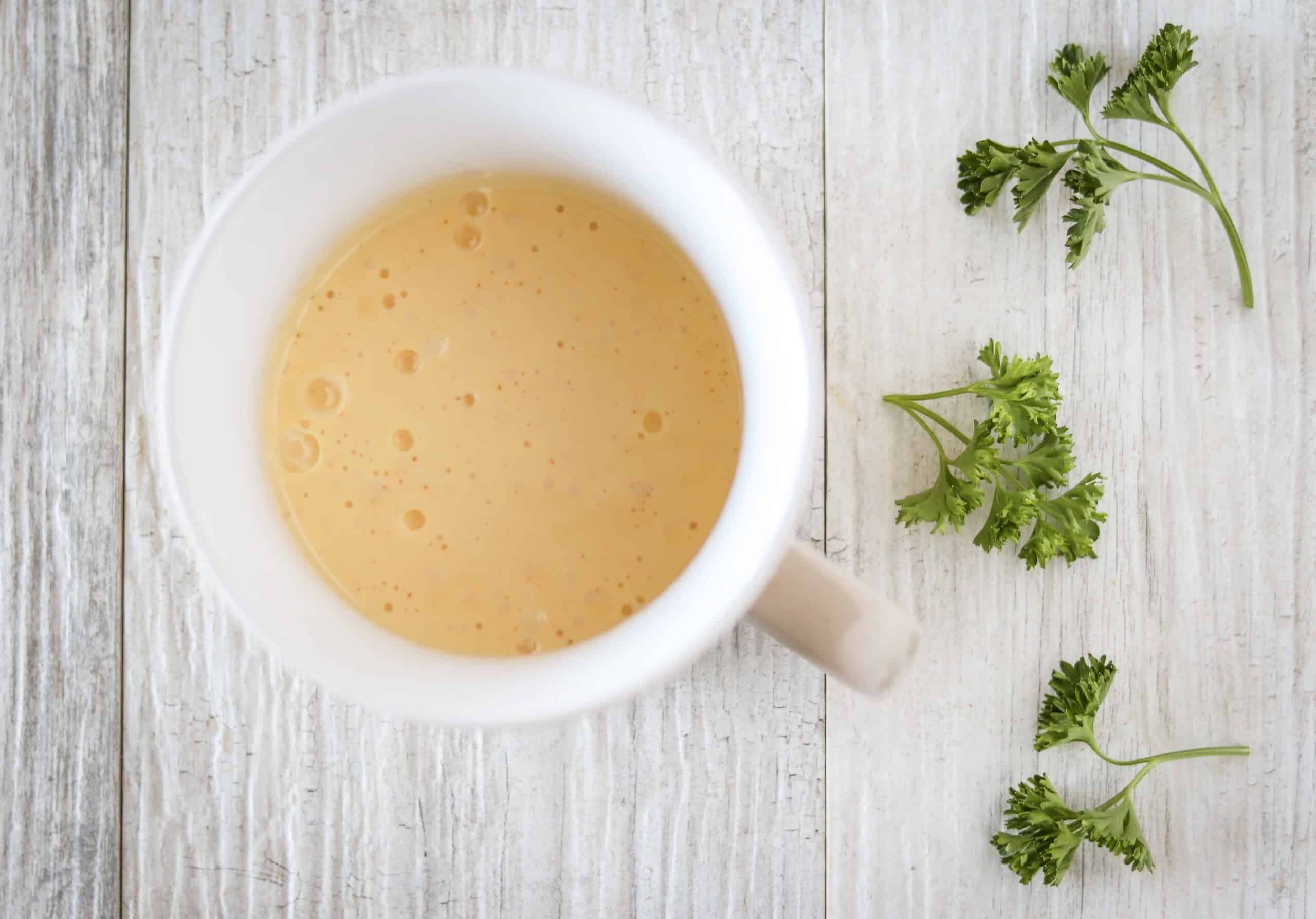
Unlock the Velvety Secret: The Magic of 3-Ingredient Hollandaise Sauce
Often perceived as the pinnacle of daunting culinary feats, mastering hollandaise sauce is a kitchen skill many aspiring home cooks shy away from. Tales of curdled emulsions and broken sauces haunt the internet, making this French classic seem out of reach. But what if we told you that the secret to a perfectly rich, creamy, and tangy hollandaise sauce lies in just three essential ingredients and a few simple steps? Prepare to have your culinary world transformed as we reveal how to whip up a luscious hollandaise that will elevate any dish from ordinary to extraordinary, debunking the myth that it's exclusively for professional chefs.
Hollandaise sauce, a cornerstone of French cuisine, is revered for its delicate balance of richness and brightness. It’s an emulsified masterpiece, meaning fats and liquids are coaxed into a stable, velvety union. While traditional recipes often list several components, the true structural magic of hollandaise hinges on three fundamental elements: egg yolks, butter, and an acid. By understanding their roles and applying a straightforward technique, you’re mere minutes away from spooning this golden elixir over your favorite meals.
The Culinary Cornerstone: What Makes Hollandaise a Mother Sauce?
Before diving into the simplicity, it's worth appreciating the pedigree of hollandaise sauce. It holds a distinguished position as one of the five foundational "mother sauces" of French cuisine, a testament to its versatility and critical role in gastronomy. This classic emulsion is renowned for its smooth, glossy texture and a flavor profile that is simultaneously rich, creamy, and delightfully tangy. Its origins are steeped in culinary history, with precursors dating back to the 17th century in France and even earlier Dutch cookbooks. Figures like François Pierre La Varenne and, later, Auguste Escoffier, refined and popularized its preparation, solidifying its status as an emblematic egg-based emulsion.
The beauty of hollandaise lies in its ability to enhance rather than overpower. Its subtle buttery depth and bright acidity provide a luxurious counterpoint to a wide array of ingredients. This elegant sauce is a testament to the power of simple, high-quality ingredients transformed through precise technique into something truly sublime. For those interested in its fascinating journey through time, explore more about its rich heritage in Hollandaise Unveiled: Tracing the Rich History of a Mother Sauce.
Your Simple Path to Perfect Hollandaise: The 3-Ingredient Recipe
The "secret" to our easy 3-ingredient hollandaise sauce isn't about skipping essential flavor but rather focusing on the core structural components that create the emulsion. We're talking about:
- Egg Yolks: The emulsifier, thanks to lecithin, which binds fat and liquid. They also contribute to the sauce's rich color and texture.
- Melted Butter: The glorious fat that provides the signature richness and velvety mouthfeel. Unsalted is preferred for better control over seasoning.
- Acid (Lemon Juice or White Wine Vinegar): Crucial for balancing the richness, cutting through the fat, and brightening the flavor profile.
Seasonings like salt and a pinch of cayenne pepper are typically added for taste but aren't structurally part of the emulsion itself, allowing us to highlight the simplicity of the core three. Here’s how to whip it up:
The 3-Ingredient Method:
Yields: Approximately 1 cup
Prep time: 5 minutes
Cook time: 5-7 minutes
Ingredients:
- 2 large fresh egg yolks
- 100g (approx. 7 tablespoons) unsalted butter, melted
- 1-2 teaspoons fresh lemon juice or white wine vinegar (start with 1, add more to taste)
- Optional: Pinch of salt, pinch of cayenne pepper (to taste)
Equipment:
- Heatproof bowl (preferably stainless steel)
- Small saucepan (for bain-marie)
- Whisk
Instructions:
- Set up your bain-marie: Fill a small saucepan with about an inch or two of water. Bring it to a gentle simmer over medium-low heat. The water should not vigorously boil.
- Combine Yolks and Acid: In your heatproof bowl, whisk together the egg yolks and 1 teaspoon of lemon juice or white wine vinegar until well combined and slightly frothy.
- Heat Gently: Place the bowl over the saucepan of simmering water. Ensure the bottom of the bowl does NOT touch the water. This is crucial for gentle, indirect heat.
- Whisk and Thicken: Continuously whisk the egg yolk mixture. You’ll notice it slowly begin to lighten in color and thicken into a pale, custardy consistency. This typically takes 2-4 minutes. The goal is to cook the yolks gently without scrambling them. Remove the bowl from the heat if it gets too hot, whisk off the heat for a moment, then return.
- Slowly Add Butter: Once the egg mixture is thick and lukewarm (it should coat the back of a spoon), slowly drizzle the melted butter into the egg yolks in a thin, steady stream while whisking continuously and vigorously. This slow addition and constant whisking are key to forming a stable emulsion. Take your time with this step – it’s the most important for achieving a smooth hollandaise sauce.
- Continue Whisking: Keep whisking until all the butter is incorporated and the sauce is thick, glossy, and velvety smooth. If the sauce becomes too thick, you can whisk in a tiny splash of warm water (half a teaspoon at a time) to reach your desired consistency.
- Season and Serve: Remove the bowl from the heat. Stir in salt and a pinch of cayenne pepper to taste, if using. Serve immediately.
Mastering the Emulsion: Tips for a Foolproof Hollandaise Sauce
While the 3-ingredient approach simplifies the list, the true art of hollandaise sauce lies in mastering the emulsification process. Here are some essential tips to ensure your sauce is perfect every time:
- Temperature Control is King: The most common culprit for broken hollandaise is too much heat. The egg yolks should gently cook and thicken, not scramble. If you see any signs of scrambling (small lumps), immediately remove the bowl from the heat and whisk rapidly off the heat for a moment before returning. The ideal temperature for hollandaise is around 140-160°F (60-70°C).
- Slow and Steady Wins the Race: When adding the butter, do it in a very thin, constant stream. This allows the lecithin in the egg yolks ample time to bind with the fat, creating a stable emulsion. Rushing this step is a recipe for disaster.
- Whisking Technique: Consistent and vigorous whisking is vital throughout the process, especially when incorporating the butter. Think of it as aerating and combining simultaneously.
- Fresh Ingredients: Use fresh, high-quality egg yolks and good unsalted butter. Fresh lemon juice will always yield a brighter, more vibrant flavor than bottled.
- Clarified Butter (Optional but Recommended): For an even more stable and pure hollandaise, you can use clarified butter. This removes the milk solids and water, leaving only pure butterfat, which helps prevent the sauce from breaking. To clarify, simply melt butter gently and skim off the foam, then pour off the clear butterfat, leaving the milky solids at the bottom.
- Troubleshooting:
- Too Thin: If your sauce is too thin, it might not have been heated enough or the butter was added too quickly. You can try gently heating it over the bain-marie again, whisking constantly until it thickens.
- Too Thick: Whisk in a tiny amount of warm water or more lemon juice, half a teaspoon at a time, until it reaches your desired consistency.
- Broken/Curdled: If your hollandaise separates into oily curds, don't despair! Whisk one fresh egg yolk in a clean bowl. Slowly add the broken hollandaise, a tablespoon at a time, to the new egg yolk while whisking vigorously, just as you would when making it from scratch. This can often rescue the sauce.
Beyond Benedict: Creative Ways to Enjoy Your Homemade Hollandaise
While hollandaise sauce is most famously known for its starring role in Eggs Benedict, its luxurious appeal extends far beyond the breakfast table. Once you've mastered this easy 3-ingredient hollandaise, a world of culinary possibilities opens up:
- Classic Pairings: Drizzle generously over steamed asparagus, broiled salmon, or grilled chicken for an instant upgrade.
- Vegetable Enhancer: Transform roasted broccoli, green beans, or even simple boiled potatoes with a spoonful of creamy hollandaise. It’s excellent over artichokes!
- Eggs, Glorious Eggs: Beyond Benedict, try it with poached eggs on avocado toast, scrambled eggs, or a breakfast hash.
- Seafood Sensation: It pairs beautifully with virtually any fish – cod, halibut, scallops, or even a simple shrimp cocktail.
- Innovative Applications: Use it as a rich dipping sauce for steak frites, a creamy topping for baked potatoes, or even mixed into a light pasta dish.
- Derivatives: With your newfound confidence, explore its derivatives like Béarnaise (infused with tarragon and shallots) or Maltese (with blood orange), further expanding its versatility.
Conclusion
The journey to creating a perfect, velvety hollandaise sauce doesn't have to be fraught with anxiety. By focusing on the three essential ingredients – egg yolks, butter, and acid – and employing the gentle, whisking technique, you can easily conquer this French classic. This easy 3-ingredient hollandaise sauce recipe simplifies the process without compromising on flavor or texture, proving that gourmet results are well within the reach of any home cook. So, shed your apprehension, grab your whisk, and prepare to impress yourself and your guests with this incredible, creamy sauce. Your culinary adventure awaits!
