Hollandaise Unveiled: Tracing the Rich History of a Mother Sauce
Few sauces command as much admiration and apprehension as
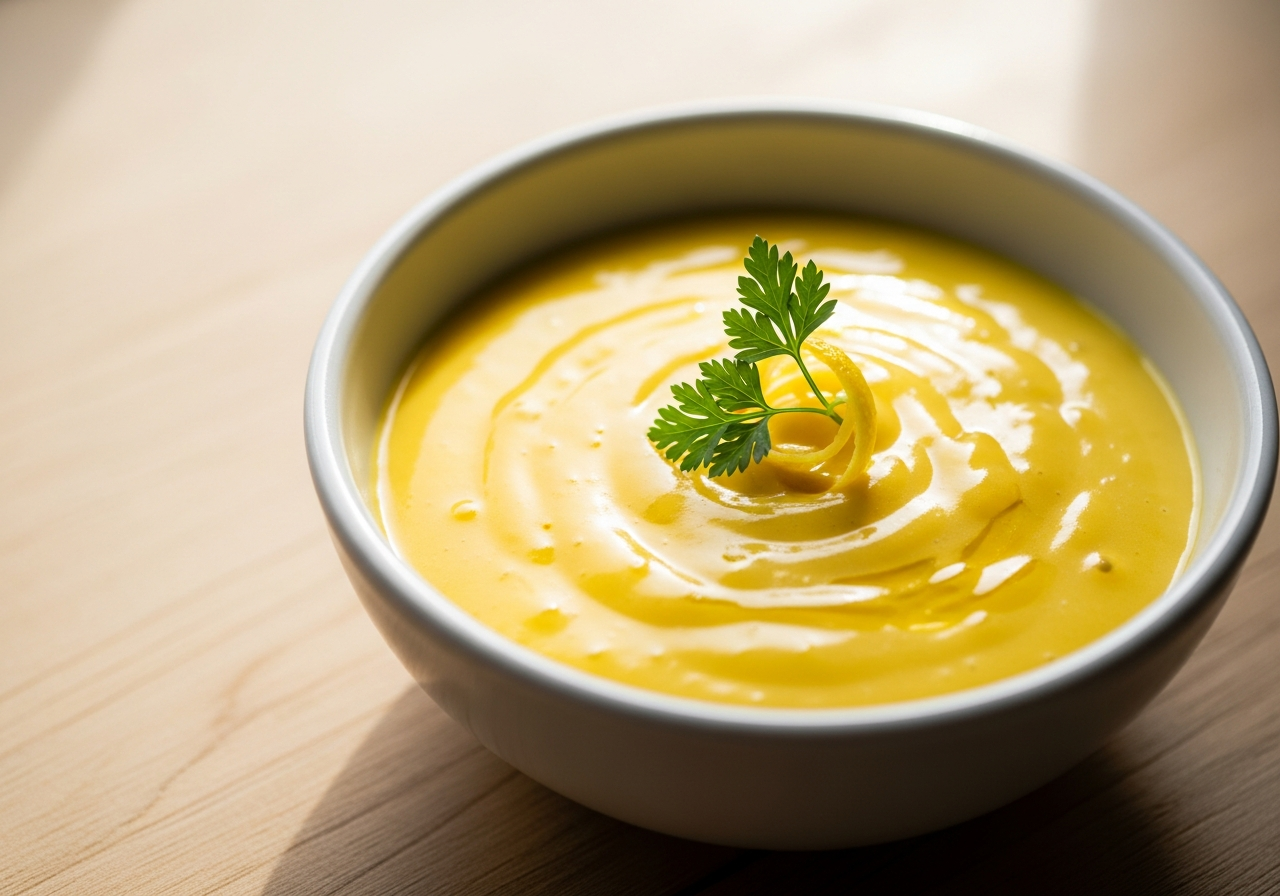
hollandaise sauce. This luxurious emulsion, celebrated for its velvety texture, bright tang, and rich, buttery depth, stands proudly as one of the five foundational "mother sauces" of French cuisine. Far more than just a topping for Eggs Benedict, hollandaise sauce is a testament to centuries of culinary innovation, a delicate dance between simple ingredients transformed into something extraordinary. Its journey from a humble precursor to a global culinary icon is a fascinating narrative, revealing shifts in gastronomic philosophy and the enduring quest for refined flavors. Join us as we delve into the captivating history of this essential sauce, exploring its origins, evolution, and the mastery required to perfect it.
The Genesis of a Mother Sauce: Early Culinary Explorations
The story of hollandaise sauce stretches back further than many might assume, with its roots firmly planted in the early modern culinary landscape. While often associated primarily with French gastronomy, the earliest documented precursor to this celebrated emulsion appears in a 1593 Dutch cookbook penned by Carel Baten. This early mention highlights that the fundamental idea of binding fats with egg yolks was not exclusive to one culture, hinting at broader European experimentation in the kitchen.
However, it was in 17th-century France that the foundational techniques for what would become modern hollandaise truly began to take shape. This period marked a significant departure from the heavily spiced, often acidic preparations characteristic of medieval cooking. Under the influence of figures like Louis XIV, there was a growing preference for sauces that emphasized natural flavors and lighter, more elegant presentations. This cultural shift created fertile ground for culinary innovators to experiment with new methods of enhancing dishes without overpowering them.
François Pierre La Varenne and the Dawn of Modern French Cuisine
Central to the early development of hollandaise sauce is the seminal work of French chef François Pierre La Varenne. His groundbreaking cookbook, _Le Cuisinier françois_, published in 1651, is widely regarded as a cornerstone of modern French cuisine. La Varenne was a pioneer in advocating for lighter, more refined sauces, moving away from the thick, flour-based concoctions of previous eras.
Within the pages of this influential text, La Varenne meticulously describes an egg yolk and butter emulsion flavored with vinegar, salt, and nutmeg, specifically noting its ideal pairing with asparagus. This description represents a crucial step toward the hollandaise we recognize today. His technique involved a delicate emulsification of butter and egg yolks, a process that, while seemingly straightforward now, was revolutionary at the time. It laid the intellectual and practical groundwork for all subsequent versions of hollandaise, emphasizing subtlety and the inherent flavors of ingredients rather than masking them. La Varenne's innovations were not just recipes; they were a philosophy, reflecting the broader culinary renaissance sweeping through France during Louis XIV's reign, a movement that valued delicacy, balance, and the art of transformation.
Evolution and Formalization: From "Sauce Isigny" to Haute Cuisine Staple
As French cuisine continued to evolve through the centuries, so too did the precursor to hollandaise sauce. By the 19th century, the recipe had become more formalized, appearing under a different name: "sauce Isigny." This moniker was a direct homage to Isigny-sur-Mer, a renowned region in Normandy celebrated for its exceptionally high-quality butter. The choice of name was a clear indication of the sauce's primary fat component and its strong connection to regional French produce, underscoring the importance of superior ingredients in its preparation. The rich, creamy butter from Isigny would naturally lend itself to creating a superior emulsion, solidifying the sauce's reputation.
Auguste Escoffier and the Codification of Mother Sauces
The early 20th century brought another transformative figure into the story of hollandaise sauce: Auguste Escoffier. Often dubbed "the emperor of chefs," Escoffier was instrumental in modernizing and codifying French haute cuisine. Through his detailed culinary texts, he refined, organized, and popularized the concept of the five "mother sauces," a pedagogical framework that remains fundamental to culinary education worldwide.
Hollandaise sauce was unequivocally placed among these foundational five, specifically identified as the emblematic egg-based emulsion. Escoffier's clear, precise recipes and classifications solidified hollandaise's status not just as a delicious accompaniment, but as a pillar of classical French cooking. While its documented presence in Western gastronomic traditions dates back to at least 1593, it was Escoffier who elevated and formalized its role, making it an indispensable component of the professional kitchen and cementing its legacy in haute cuisine. His work ensured that hollandaise, with its delicate balance of fat, acid, and egg, would be meticulously understood and reproduced by generations of chefs.
The Art and Science of Hollandaise: Beyond the Recipe
At its heart, hollandaise sauce is a triumph of culinary chemistry – a stable emulsion of egg yolks and melted butter, carefully balanced with the brightness of lemon juice or a reduction of white wine vinegar. Beyond the simple list of ingredients, the magic truly lies in the method. The typical recipe calls for three fresh egg yolks, around 10 tablespoons of unsalted butter (often clarified to ensure purity and prevent separation), 1-2 teaspoons of fresh lemon juice for essential acidity and brightness, and seasonings like salt and a pinch of cayenne pepper for a subtle warmth. Variations might introduce white pepper or a reduction of shallots, vinegar, and herbs for added aromatic complexity.
The sauce's remarkable texture and stability hinge on the lecithin present in egg yolks. Lecithin acts as a powerful emulsifier, a molecular bridge that allows the water-based acids (lemon juice/vinegar) to bind harmoniously with the fat-based butter, forming a smooth, stable suspension. This delicate process demands precise control over heat. Traditionally, the mixture is gently warmed over a bain-marie (double boiler), ensuring the heat is indirect and low, ideally maintained between 140-160°F (60-71°C). This careful temperature regulation is crucial to prevent the egg yolks from curdling, which would "break" the emulsion into an oily, scrambled mess. The continuous whisking creates a stable foam and encourages the lecithin to do its work, resulting in that coveted glossy, velvety texture – a signature of a perfectly executed hollandaise. Mastering this balance is key to achieving a sauce prized for its lightness and profound buttery depth. For those keen to delve deeper into the technicalities of this process, our guide on
Mastering Hollandaise Sauce: Simple Emulsification for Velvety Results offers invaluable insights.
Modern Interpretations and Simplified Approaches
While the traditional method can appear daunting, leading many to believe hollandaise is difficult, modern techniques and a deeper understanding of the chemistry have made it more accessible than ever. Culinary figures like Mary Berry have famously demonstrated that with the right approach and a bit of confidence, it is entirely achievable even for the home cook. The core technique involves whisking egg yolks and vinegar over gentle heat, then slowly incorporating melted butter while continuously whisking until thickened.
In recent years, the concept of a "3-ingredient hollandaise sauce" has gained popularity, simplifying the process for those seeking quick and creamy results without compromising flavor. These streamlined versions often focus on the essential trinity of egg yolks, butter, and lemon juice, proving that elegance doesn't always require complexity. To explore these accessible methods and whip up your own batch with ease, check out
Whip Up Easy Hollandaise: The 3-Ingredient Secret to Creamy Sauce.
The versatility of hollandaise also extends to its derivatives. Béarnaise sauce, for instance, infuses hollandaise with finely chopped tarragon and shallots, adding an anise-like complexity that pairs wonderfully with steak. Maltese sauce introduces blood orange juice and zest for a vibrant, citrusy twist. These variations underscore the enduring adaptability of the base hollandaise, allowing it to remain relevant and exciting in both classic and contemporary dishes.
Hollandaise in Modern Cuisine: A Timeless Classic
Today, hollandaise sauce continues to be a cherished component in countless dishes, proving its enduring appeal across professional and home kitchens alike. Its most iconic pairing, of course, is with Eggs Benedict, where its creamy richness perfectly complements poached eggs and Canadian bacon on an English muffin. Beyond this brunch staple, hollandaise sauce traditionally graces steamed vegetables such as tender green asparagus, enhancing their delicate flavors with its luxurious yet delicate profile.
It's also a magnificent accompaniment to grilled fish, adding a bright, buttery counterpoint, and can elevate poultry dishes with its smooth texture and tangy notes. Whether served warm over a simple piece of salmon or as the crowning glory of a sophisticated gourmet meal, hollandaise sauce consistently elevates any dish it touches. Its ability to add elegance, richness, and a subtle tang without overwhelming other ingredients is a testament to its perfectly balanced composition and its rightful place as a culinary classic.
Conclusion
From its embryonic forms in Dutch cookbooks to its formal codification by Auguste Escoffier, the journey of hollandaise sauce is a vibrant tapestry woven through centuries of culinary history. It stands not just as a recipe, but as a symbol of gastronomic evolution – a shift towards refinement, balance, and the masterful transformation of simple ingredients into something extraordinary. Its delicate science, rich history, and timeless appeal ensure that hollandaise sauce will continue to captivate palates and inspire chefs for generations to come. Whether you're a seasoned chef or an adventurous home cook, understanding and appreciating the legacy of this mother sauce adds a profound layer of enjoyment to every velvety, tangy bite.