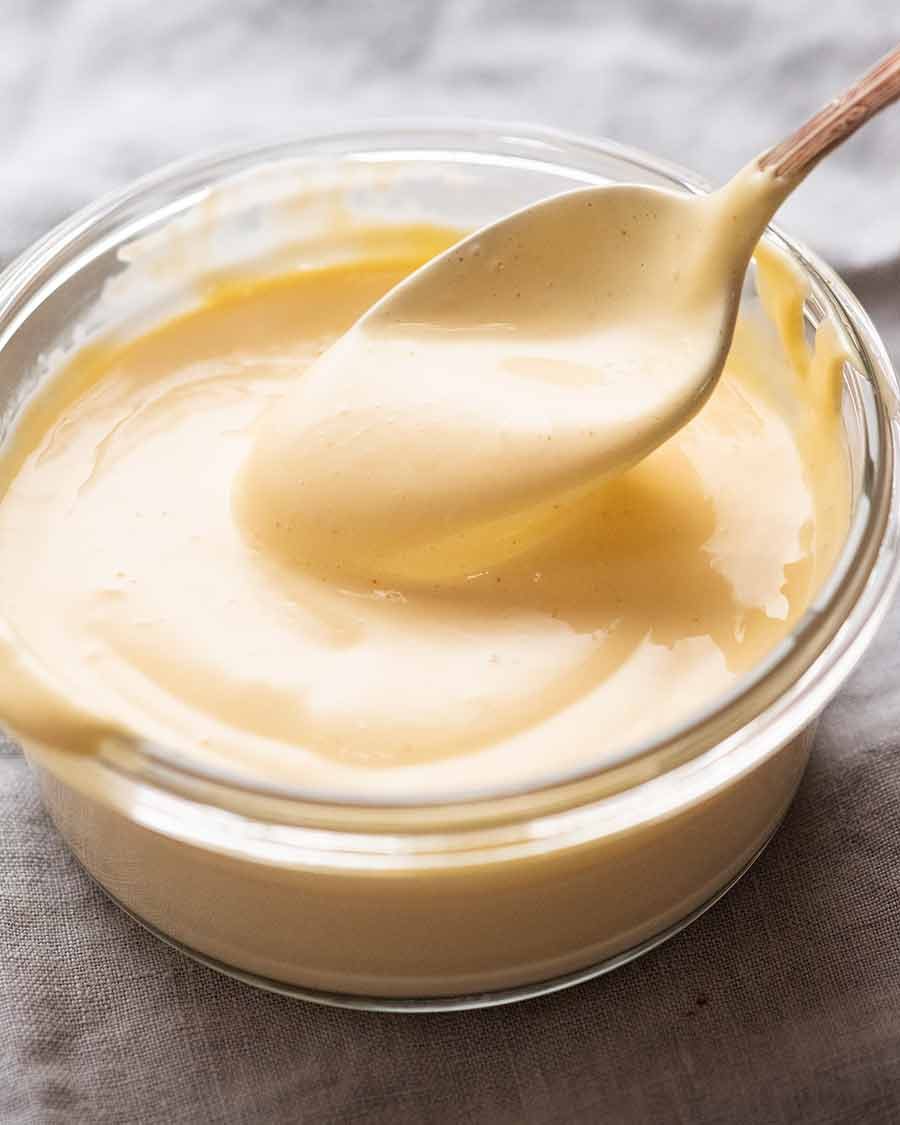
Mastering Hollandaise Sauce: Simple Emulsification for Velvety Results
Often perceived as the pinnacle of culinary challenge,
hollandaise sauce actually embodies a beautiful simplicity when its fundamental principles are understood. This iconic French mother sauce, celebrated for its luxurious texture and vibrant flavor, relies on a delicate emulsification of egg yolks and butter, brightened by a touch of acidity. Far from being an exclusive secret of haute cuisine, mastering hollandaise is an entirely achievable goal for any home cook, opening up a world of delightful culinary possibilities. Forget the fear; with the right technique, you're just a whisk away from creating a velvety, rich sauce that will elevate countless dishes.
The Culinary Art of Hollandaise: A Mother Sauce Explained
At its heart,
hollandaise sauce is a classic emulsion, a harmonious blend of two liquids that would ordinarily resist mixing: the fat from melted butter and the water-based acids from lemon juice or vinegar. The magic ingredient facilitating this union is lecithin, a natural emulsifier found abundantly in egg yolks. When gently heated and continuously whisked, the lecithin acts as a binder, encapsulating tiny droplets of butter within the water and protein structure of the egg yolks, resulting in a stable, creamy, and gloriously smooth sauce. This intricate yet delicate chemical dance is why hollandaise holds its esteemed place as one of the five foundational "mother sauces" of French cuisine, a testament to its versatility and ability to give rise to numerous derivatives. Its characteristic rich, creamy, and tangy profile, coupled with a glossy, velvety texture, is prized for enhancing flavors without overpowering them. Delving into its history reveals a fascinating journey from 17th-century French kitchens, with early versions emphasizing natural flavors and lighter preparations. To truly appreciate its journey and significance, explore
Hollandaise Unveiled: Tracing the Rich History of a Mother Sauce, which uncovers its evolution from humble beginnings to a celebrated staple.
Demystifying the Emulsification Process: Achieving Velvety Perfection
The key to a perfect
hollandaise sauce lies in understanding and controlling the emulsification process, primarily through careful heat management and continuous whisking. The traditional method, using a bain-marie (or double boiler), provides the gentle, indirect heat necessary to cook the egg yolks without scrambling them, allowing them to thicken and emulsify with the butter gradually.
Here’s a breakdown of the process to achieve that desired velvety texture:
- Prepare Your Setup: Choose a heat-proof bowl (preferably stainless steel or glass) that fits snugly over a saucepan of simmering water without touching the water's surface. This indirect heat is crucial.
- Whisk the Yolks and Acid: In the heat-proof bowl, combine two or three fresh egg yolks with a dash of white wine vinegar or fresh lemon juice. Begin whisking vigorously over the simmering water. The mixture should become pale, frothy, and increase in volume. This stage is critical for building a stable foam and starting the emulsification. Continue whisking until the mixture is lukewarm to the touch – typically around 140-160°F (60-71°C), ensuring the eggs are cooked without curdling.
- Slowly Introduce Butter: This is arguably the most critical step. Remove the bowl from the heat for a moment, and very slowly, drip by drip, begin adding the melted unsalted butter (ideally around 10 tablespoons or 100g). Whisk continuously and vigorously as you add the butter. As the emulsion forms, you can gradually increase the stream of butter, but never pour it in too quickly. The lecithin in the egg yolks needs time to bind with the fat.
- Thicken and Season: As you continue to add butter and whisk, the sauce will visibly thicken and become glossy and opaque. Once all the butter is incorporated, remove the bowl from the heat. Season with salt and a pinch of cayenne pepper (or white pepper) to taste. A final squeeze of fresh lemon juice can brighten the flavor further.
Essential Ingredients for Authentic Hollandaise
While the technique is paramount, the quality of your ingredients significantly impacts the final
hollandaise sauce.
- Egg Yolks: Fresh, high-quality egg yolks are non-negotiable. They provide the structure and the emulsifying power. Typically, three yolks are used for a standard batch.
- Butter: Unsalted butter is preferred, allowing you to control the seasoning. Clarified butter, where milk solids and water have been removed, is sometimes recommended as it can create a more stable emulsion, but melted whole butter works perfectly well for most home cooks.
- Acid: Freshly squeezed lemon juice is the classic choice, offering a bright, tangy counterpoint to the richness of the butter. A reduction of white wine vinegar (sometimes with shallots and herbs for derivatives like Béarnaise) can also be used, providing a deeper, more complex acidity.
- Seasoning: Fine sea salt and a pinch of cayenne pepper (or white pepper) are standard. The cayenne adds a subtle warmth without making the sauce spicy.
For those seeking a truly streamlined approach without compromising on flavor, there are even simpler methods. Discover how to create a delicious version with minimal ingredients in
Whip Up Easy Hollandaise: The 3-Ingredient Secret to Creamy Sauce, proving that elegance doesn't always require complexity.
Tips for Hollandaise Success: Avoiding Common Pitfalls
Even with the best intentions,
hollandaise sauce can sometimes be temperamental. Here are practical tips to ensure your success:
- Room Temperature Ingredients: Allowing egg yolks to come to room temperature can help them emulsify more smoothly.
- Proper Bain-Marie Setup: Ensure the bowl does NOT touch the simmering water. If it does, the direct heat will scramble your eggs. The steam is what provides the gentle, even heat.
- Consistent Whisking: Continuous and vigorous whisking is crucial, especially in the initial stages and when adding butter. This incorporates air and helps create the emulsion.
- Slow Butter Addition: Patience is a virtue here. Adding butter too quickly is the most common reason for a broken sauce. Start with a few drops, then a thin stream.
- Temperature Control: If the sauce gets too hot, the emulsion can break (it will look oily and curdled). If it feels too hot on your fingers when whisking, lift the bowl off the heat for a moment, continue whisking, and return it to the bain-marie when it cools slightly.
- Rescuing a Broken Sauce: Don't despair! If your hollandaise breaks, you can often save it. Whisk one fresh egg yolk with a teaspoon of hot water or lemon juice in a clean bowl. Slowly whisk the broken sauce into this new yolk mixture, a spoonful at a time, until it re-emulsifies.
- Serving Warm: Hollandaise is best served immediately. If you need to hold it for a short period, keep it in a warm (but not hot) spot, like a thermos or a bowl over a very warm, not simmering, water bath.
Beyond Eggs Benedict: Versatile Pairings and Delicious Derivatives
While
hollandaise sauce is inextricably linked with the quintessential Eggs Benedict, its versatility extends far beyond breakfast and brunch. Its rich, lemony, and buttery profile makes it an exquisite accompaniment to a wide array of dishes.
Traditionally, it shines alongside:
- Steamed Vegetables: Especially classic with blanched asparagus, broccoli, or green beans, where its richness complements their fresh earthiness.
- Grilled or Poached Fish: Salmon, cod, and halibut are transformed by a generous drizzle of hollandaise, adding moisture and luxurious flavor.
- Poultry: A delicate chicken breast or even roasted turkey can be elevated with this classic sauce.
- Eggs: Beyond Benedict, try it with poached eggs on toast, scrambled eggs, or even an omelette.
The enduring appeal of hollandaise has also led to several delightful derivatives, each offering a unique twist on the original. Perhaps the most famous is
Béarnaise sauce, which infuses hollandaise with a reduction of shallots, tarragon, and white wine vinegar, making it a perfect partner for steaks and red meats. Another notable variation is
Maltese sauce, where blood orange juice replaces some of the lemon, offering a beautiful color and a subtly different citrus note, ideal for spring dishes. These variations underscore the enduring role of hollandaise in both classic and contemporary cooking, providing a foundation for countless creative culinary expressions.
In conclusion, the journey to mastering
hollandaise sauce is not one of insurmountable difficulty, but rather a rewarding exploration of culinary chemistry and technique. By understanding the principles of emulsification, respecting the gentle power of heat, and practicing with patience, you too can whip up this velvety, rich, and tangy masterpiece. Whether adorning your Eggs Benedict, gracing fresh asparagus, or complementing a perfectly cooked piece of fish, a homemade hollandaise elevates any meal into a truly special occasion. Don't shy away from this classic; embrace the whisk and unlock the simple elegance of one of gastronomy's most beloved sauces.